Skip to content

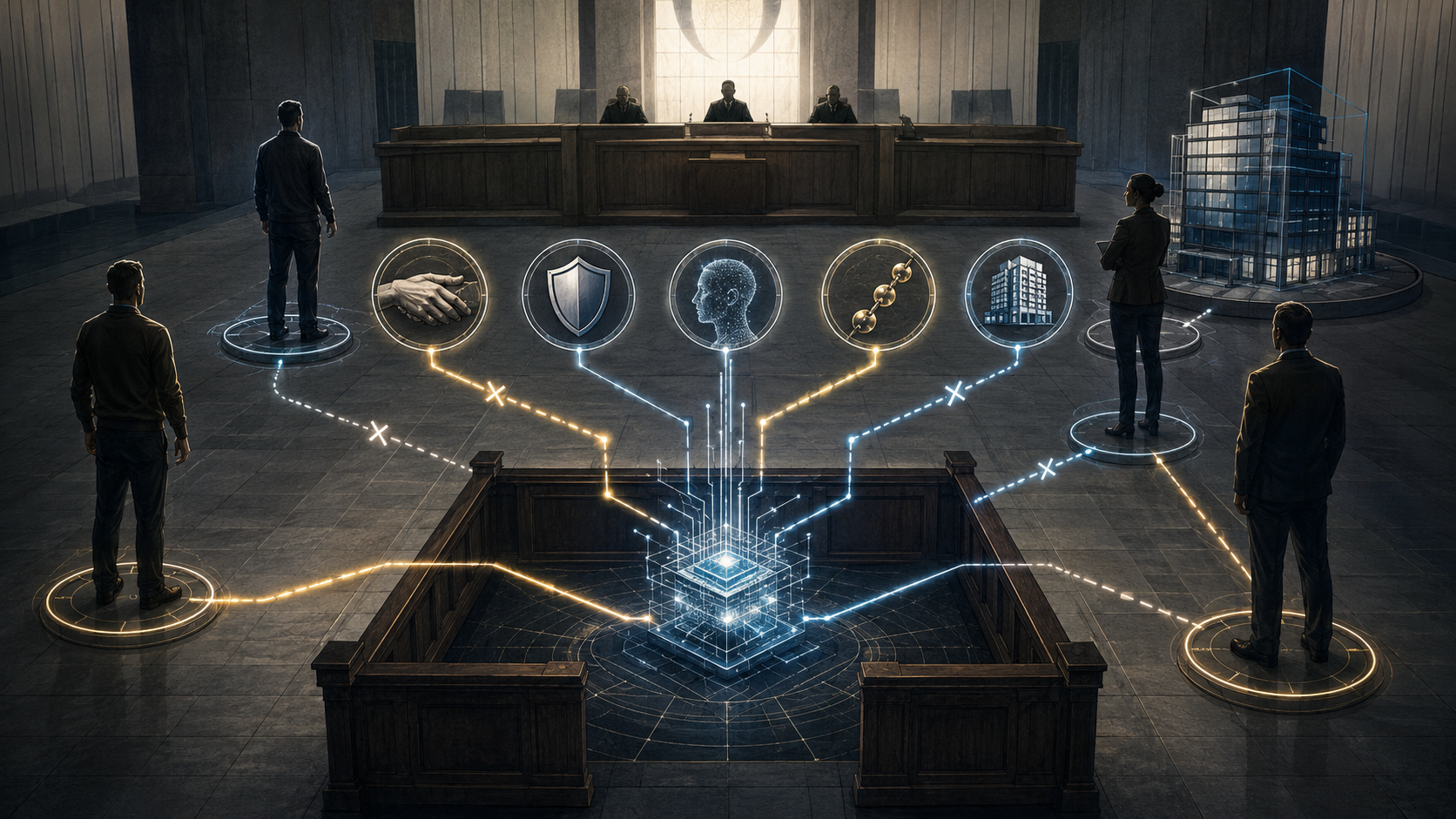
Who Codes Justice? The Silent Use of Artificial Intelligence and the Challenge of Judicial Accountability in South-East Europe

In late 2023, UNESCO surveyed judicial operators around the world and found that 44 per cent were already using AI tools such as ChatGPT for work-related tasks. Only 9 per cent reported that their organisation had issued guidelines or provided training on such use.  The distance between those two figures captures a defining governance challenge, …

Artificial Intelligence and Justice: The Incorporation of Artificial Intelligence in the High Court Proceedings and Decision-Making (Albania and European Union Context)

1. The “Ex-Post” Context of Judicial Reform in Albania Following the 2016 justice reform, Albania’s judiciary continues to face systematic challenges. The extensive vetting process for judges and prosecutors has led to staff shortages, contributing to substantial case delays, with approximately 16,052 cases pending before the High Court alone. This backlog adversely affects the quality …

Behind AI as a tool for judicial reasoning: A Western Balkans Perspective

Back in 2019, I stumbled upon an article on MIT’s Technology Review, titled ”Can you make AI fairer than a judge?”. As a recently graduated lawyer, my response was a resounding no. I was adamant that deciding, especially in criminal cases, should be strictly reserved for humans as moral, empathetic, and ethical beings. However, today, …