Skip to content

Who Codes Justice? The Silent Use of Artificial Intelligence and the Challenge of Judicial Accountability in South-East Europe

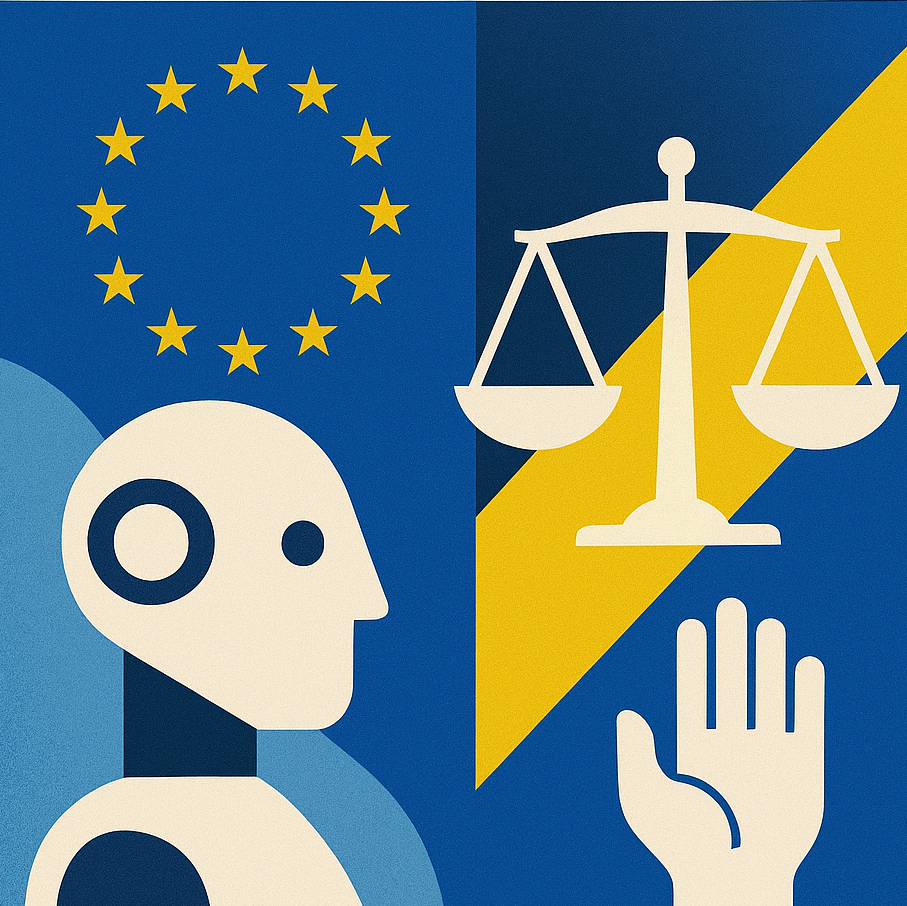
In late 2023, UNESCO surveyed judicial operators around the world and found that 44 per cent were already using AI tools such as ChatGPT for work-related tasks. Only 9 per cent reported that their organisation had issued guidelines or provided training on such use.  The distance between those two figures captures a defining governance challenge, …

Artificial Intelligence and Justice: The Incorporation of Artificial Intelligence in the High Court Proceedings and Decision-Making (Albania and European Union Context)

1. The “Ex-Post” Context of Judicial Reform in Albania Following the 2016 justice reform, Albania’s judiciary continues to face systematic challenges. The extensive vetting process for judges and prosecutors has led to staff shortages, contributing to substantial case delays, with approximately 16,052 cases pending before the High Court alone. This backlog adversely affects the quality …

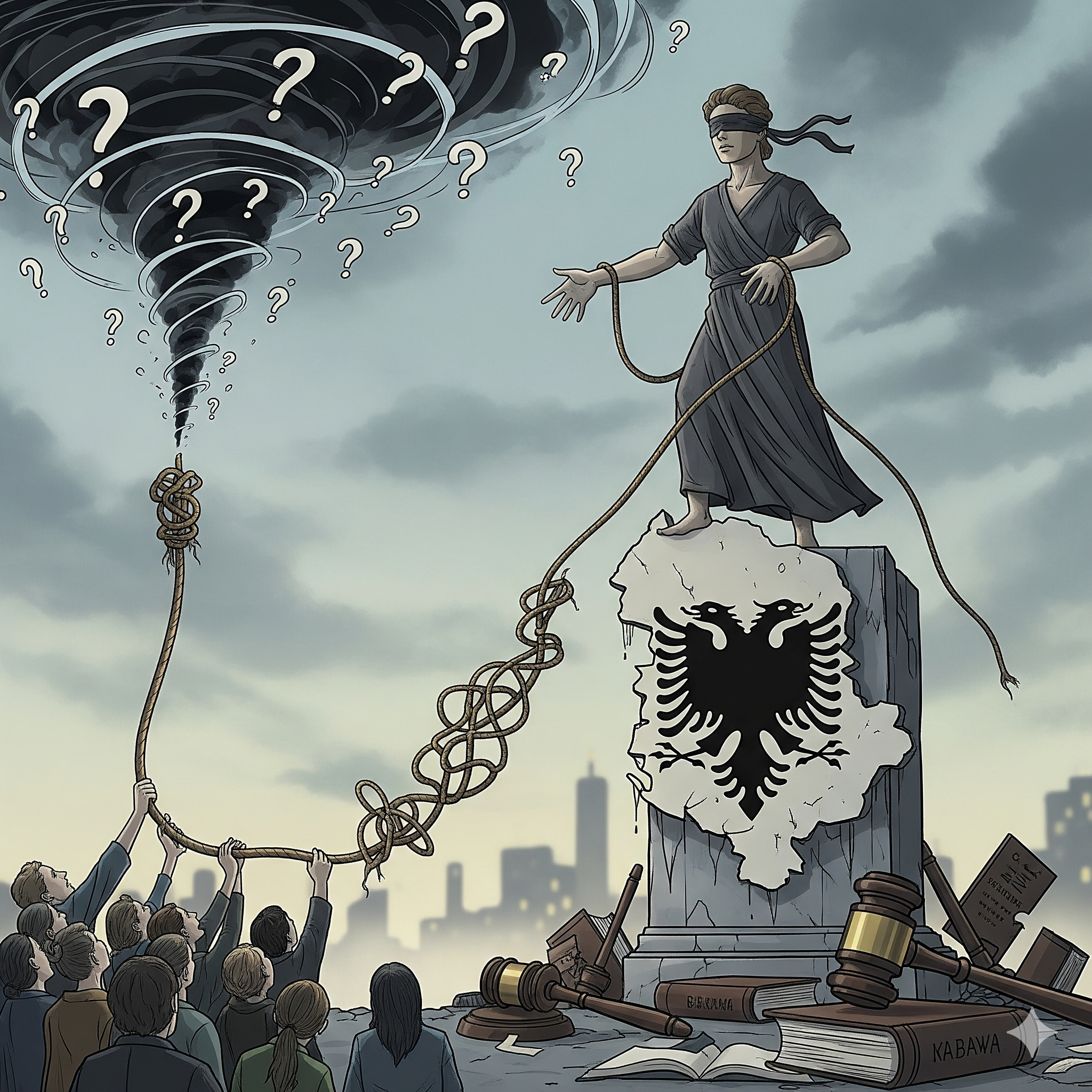
When “Less Than” is not “Equal to” – A silent risk to the right of appeal

Introduction When we speak about the right to justice, we often think of grand constitutional principles or international treaties. But sometimes, the strength of that right depends on the smallest details, like whether the word “less” also means “equal.” The principle of access to justice is one of the cornerstones of both the Albanian constitutional …